What You Get With Chain Link Fencing From Spacemakers
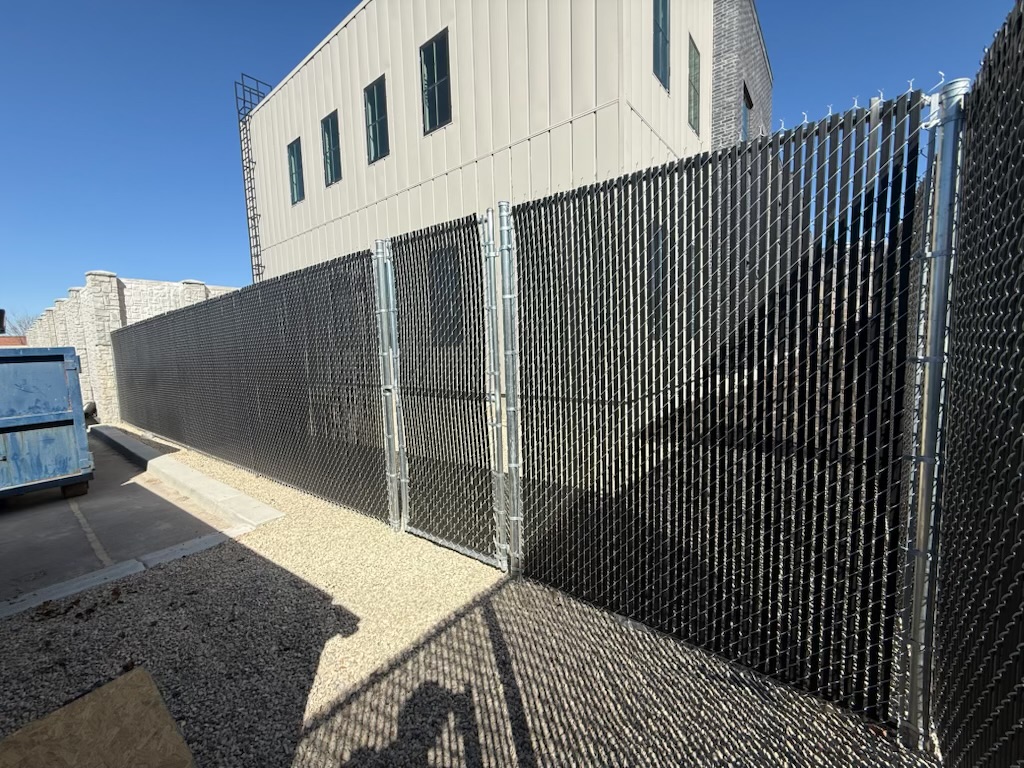
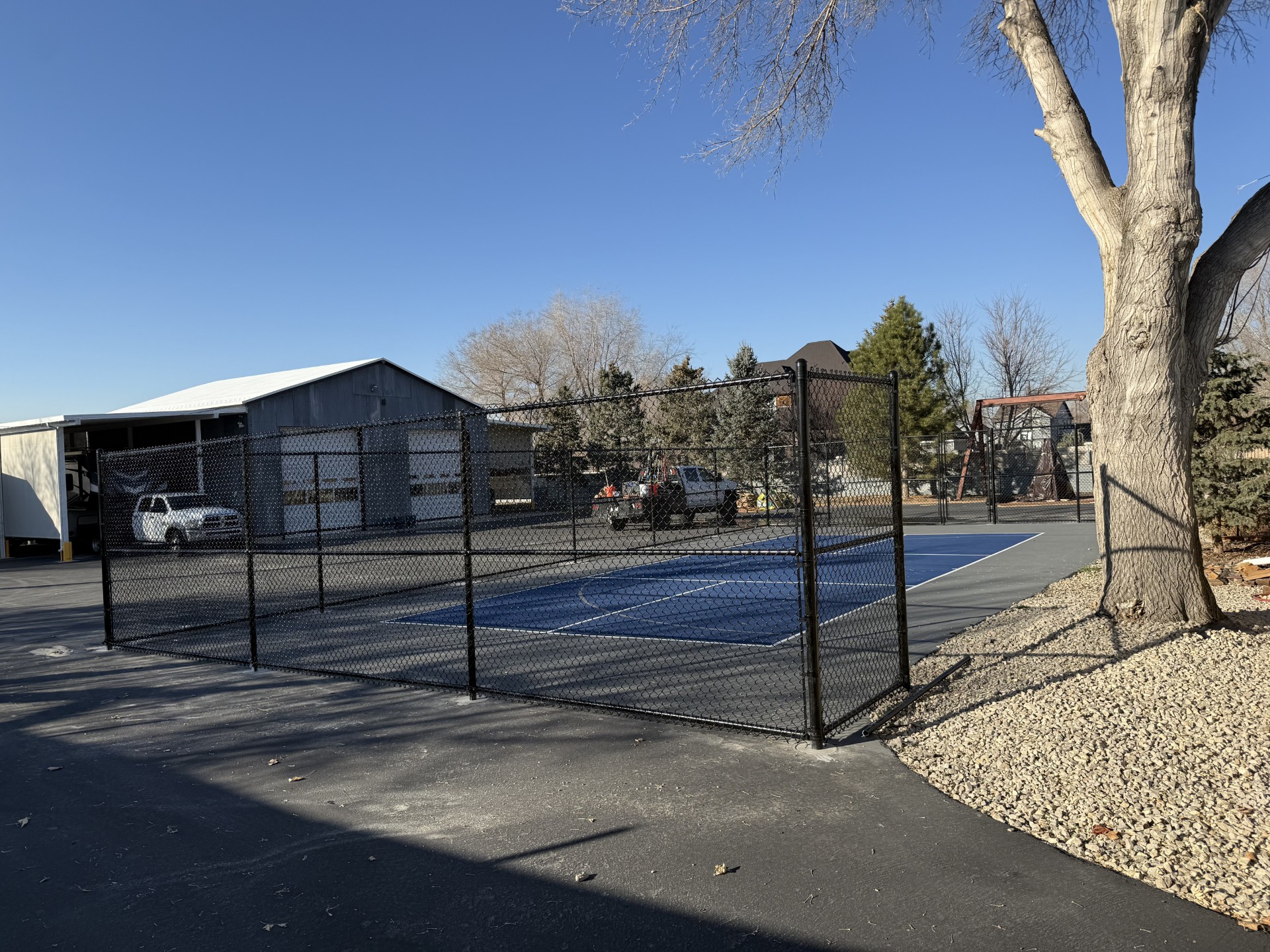
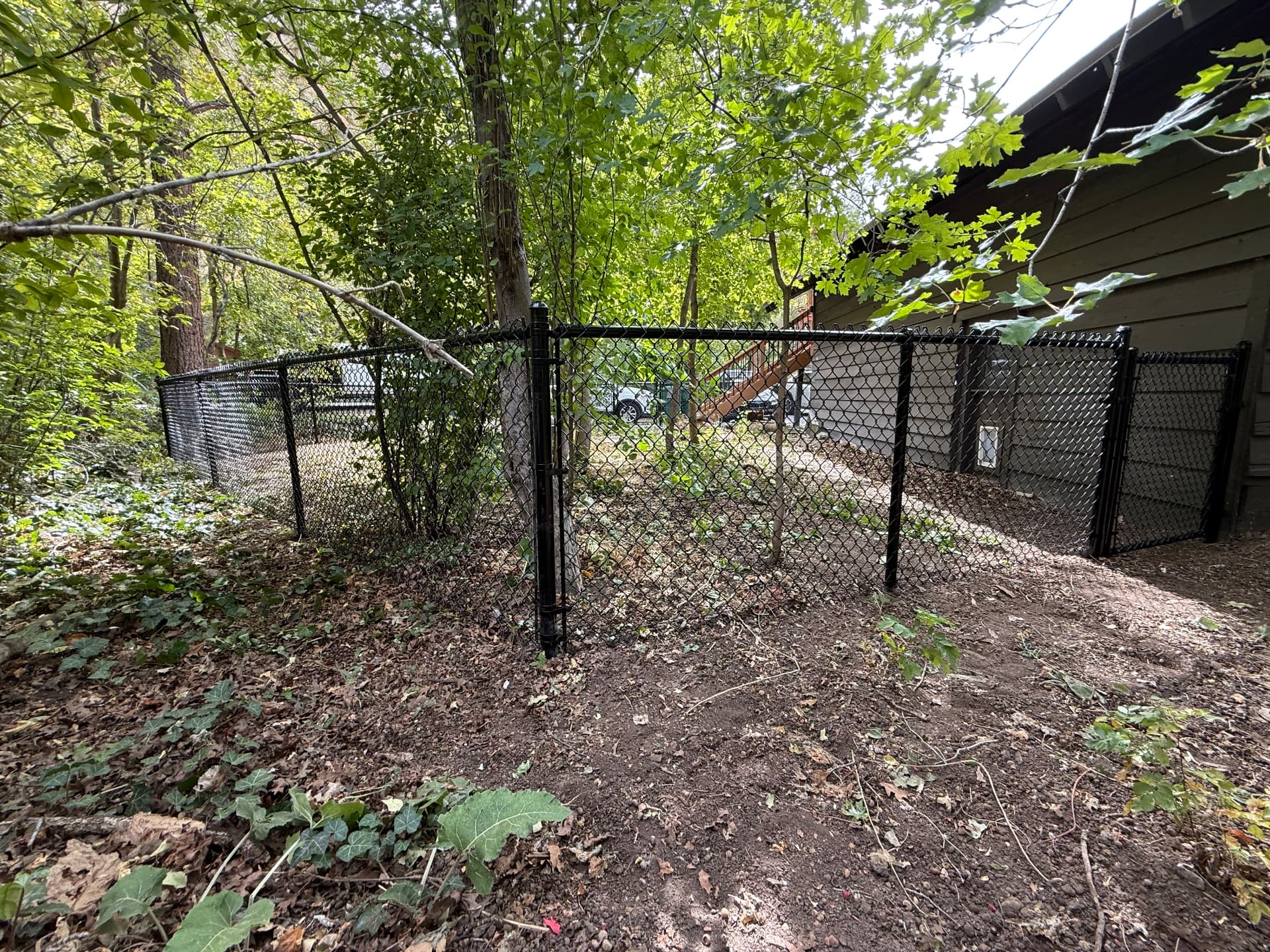
Chain link is a galvanized steel framework with woven mesh stretched tight between terminal posts. Black vinyl-coated mesh is the version most homeowners want now — it visually disappears against landscaping instead of shining silver.
It is the lowest cost per foot of any permanent fence, it contains dogs and kids reliably, and it accepts privacy slats later if you change your mind. For sport courts, storage yards, and back property lines, nothing else competes on value.
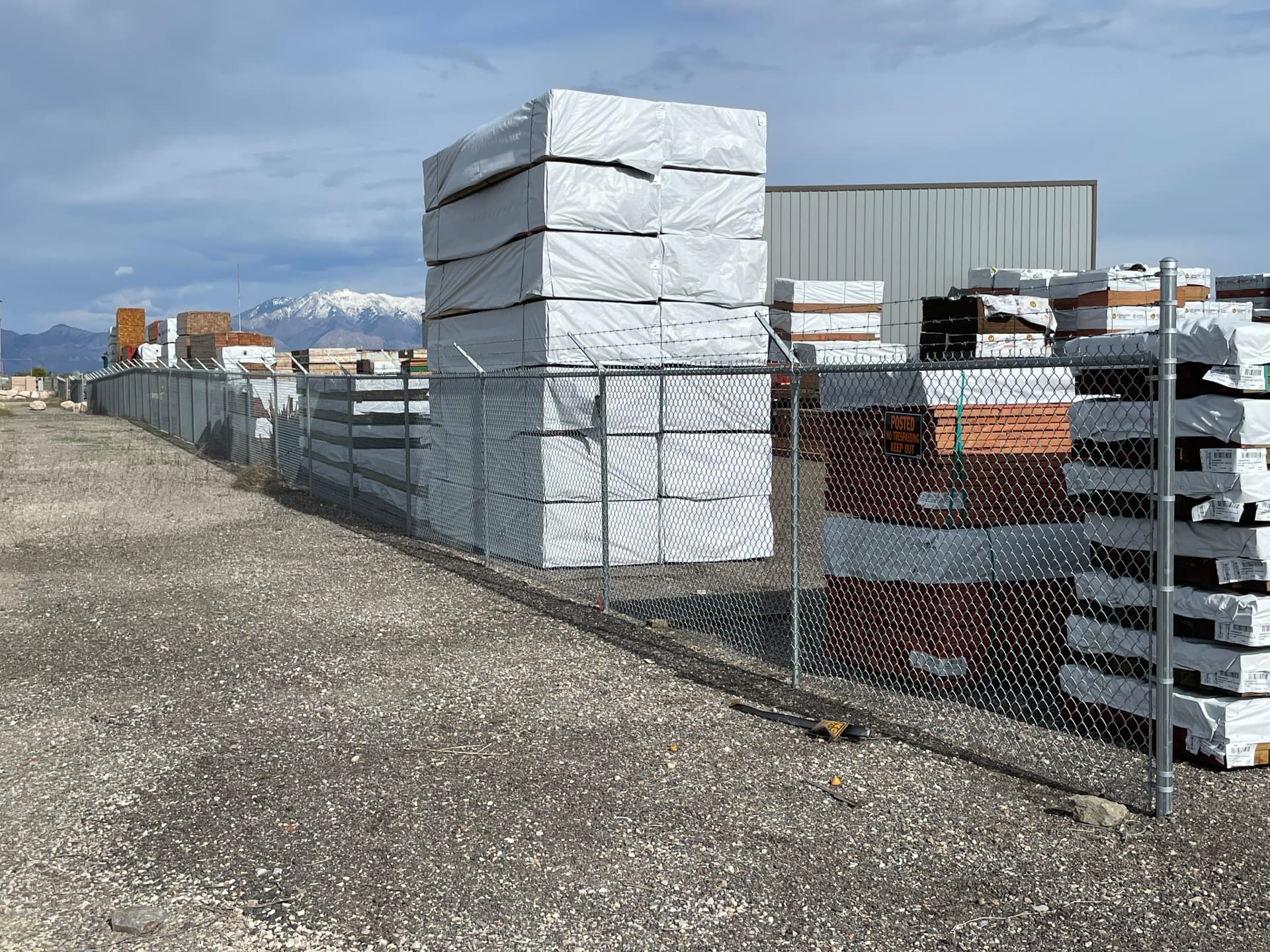
Galvanized vs. Black Vinyl-Coated
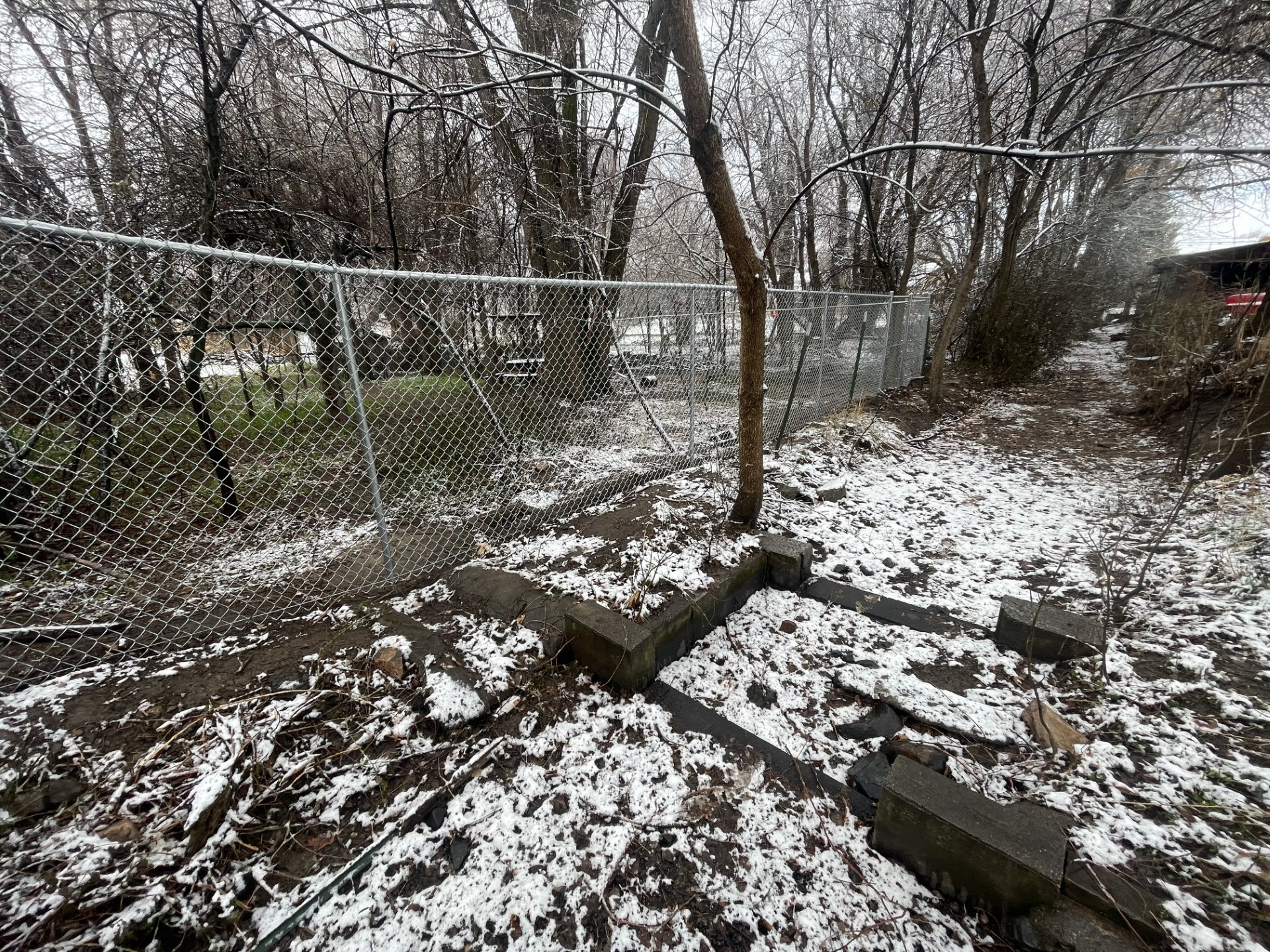
Galvanized chain link is zinc-coated steel — the classic silver mesh. It is the least expensive permanent fence you can install and it will not rust through for decades, but it is visually loud in a landscaped yard.
Black vinyl-coated mesh is the same steel core with a bonded PVC jacket. It costs modestly more and it visually disappears against grass, trees, and dark trim, which is why almost every residential chain link we install now is black. The coating also adds a second layer of corrosion protection where sprinklers hit the fence daily.
Heights: 3 Feet to 12 Feet and Up
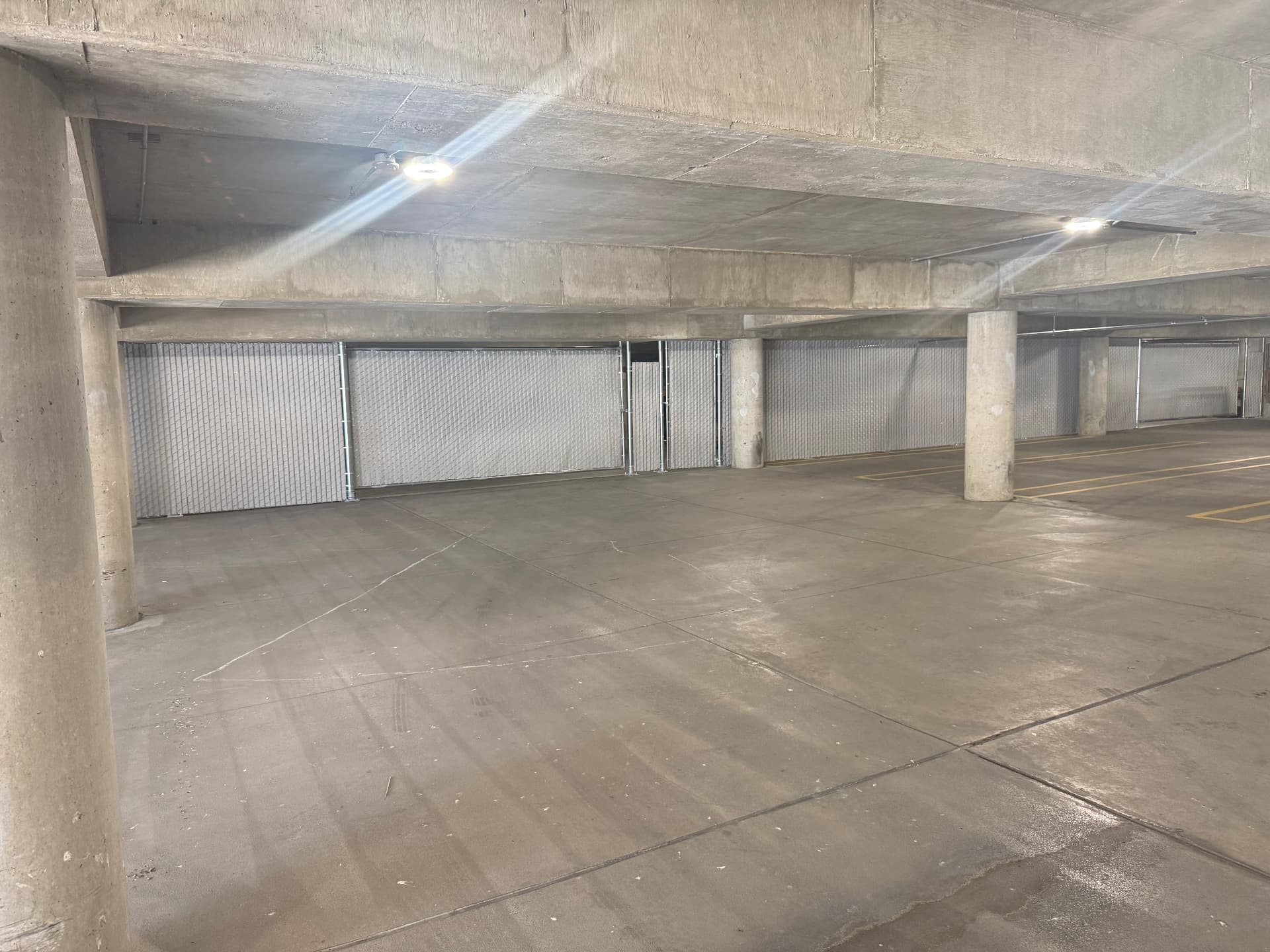
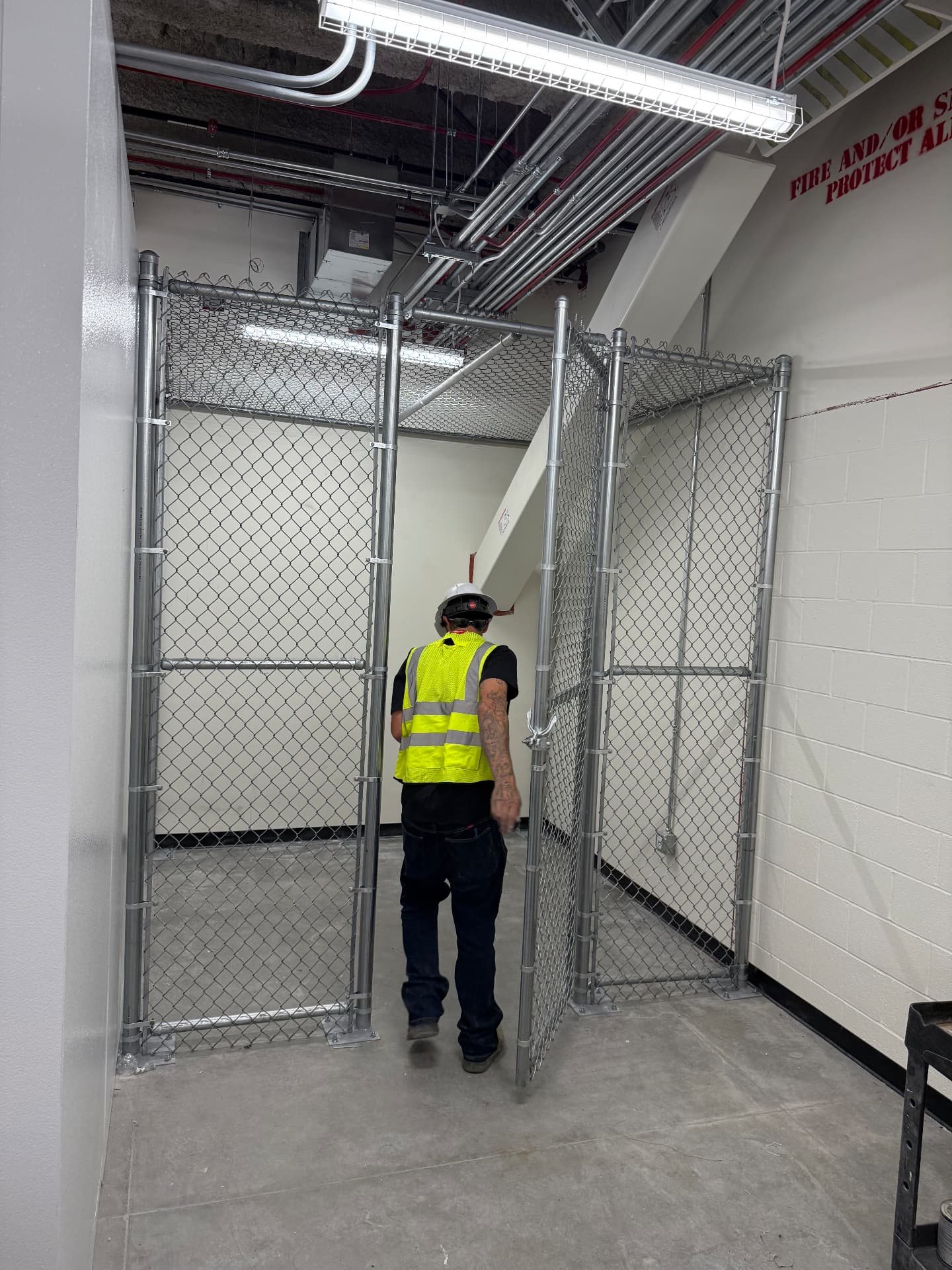
Chain link is not limited to the 4' and 5' yard fence most people picture. We build it from 3' garden and decorative runs all the way up to 12' and taller for ball fields, batting cages, sport courts, and secured commercial yards.
Residential yards most often land at 4', 5', or 6', depending on whether you are containing a dog, screening a side yard, or matching a neighbor's existing run. Pool enclosures have their own minimum height and latch requirements under Utah barrier code.
Taller runs are a framework question more than a fabric question. Above about 8', post size, footing depth, and line-post spacing all have to step up to carry the extra wind load, and top rail is often replaced with a tension wire or truss-braced system. We size that for the height you actually need rather than defaulting to a residential build.
Gauge, Mesh Size, and Framework
Wire gauge is the biggest quality difference and the hardest one to see. Lower numbers mean thicker wire: 11-gauge is typical residential, 9-gauge is what we use for dog runs, sport courts, and commercial yards where the fabric takes abuse.
Mesh opening matters for what you are containing. A 2-inch diamond is standard; smaller openings keep small dogs from squeezing through and make the fence harder to climb. Framework schedule — the wall thickness of the posts and rails — is what keeps a gate from sagging in year three.
Tension bars, brace bands, and a properly stretched fabric run are the difference between a fence that stays tight and one that ripples. Fabric that is hand-pulled instead of machine-stretched looks fine on day one and sags by the next spring.
Adding Privacy Later
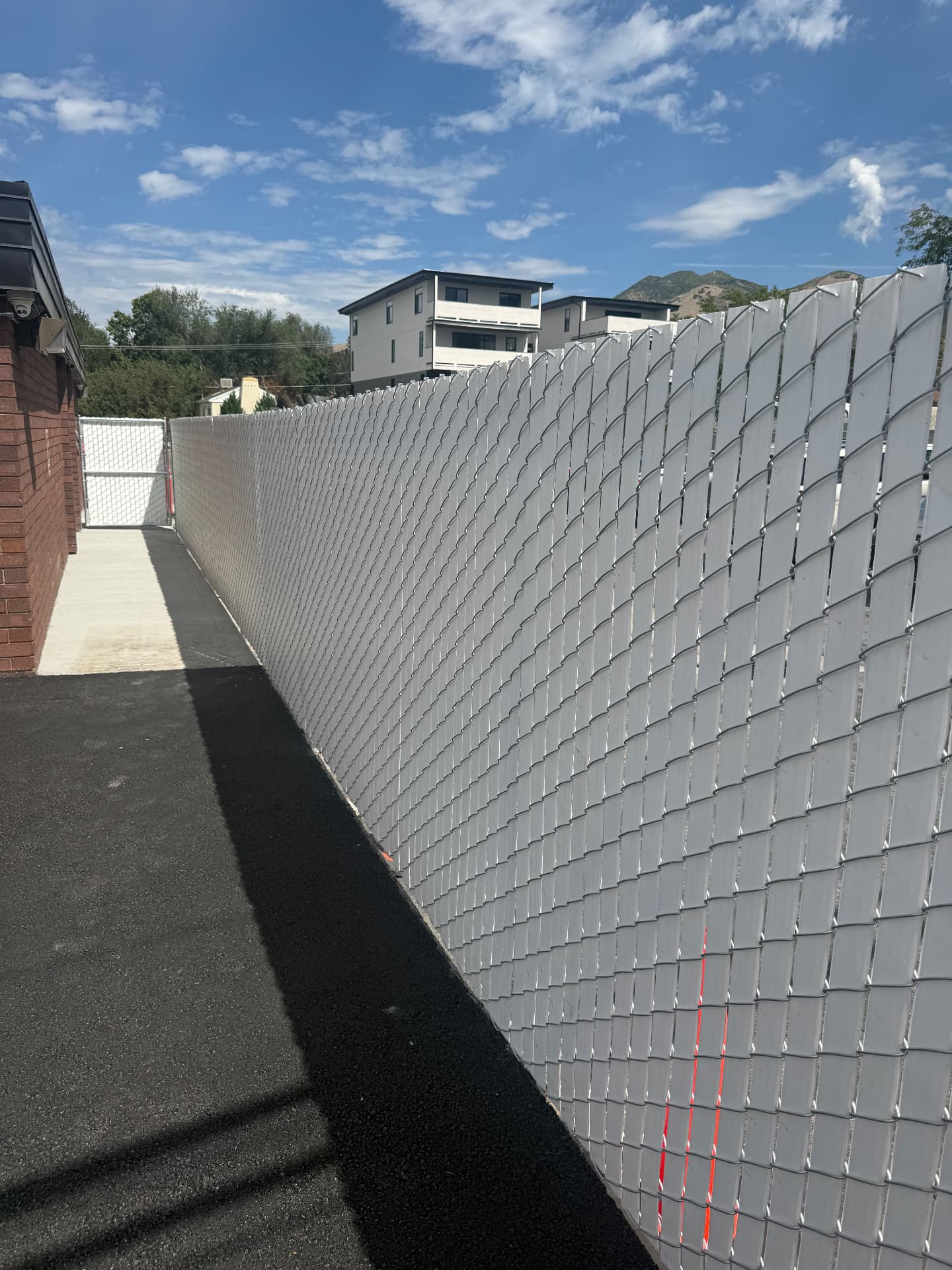
Chain link is the only fence you can meaningfully upgrade after the fact. Privacy slats slide vertically through the mesh and give you 75 to 90 percent screening for a fraction of the cost of replacing the fence.
Windscreen fabric is the commercial version — it zip-ties to the framework, blocks wind and sightlines, and is common on sport courts and storage yards. Both options assume the framework was built to take the extra wind load, which is worth deciding before we set posts, not after.
Where Chain Link Is the Right Answer
Dog runs, back property lines you do not look at, sport and pickleball courts, garden enclosures, rental properties, equipment yards, and construction perimeters. Anywhere containment and cost matter more than curb appeal, chain link is hard to beat.
It is also the practical choice on long runs. Fencing several hundred feet of a back lot line in vinyl or ornamental gets expensive fast, and chain link gets the same job done for a fraction of the material cost.
What's Included
- Heights from 3' up to 12' and taller for commercial
- Black vinyl-coated mesh that blends into landscaping
- Commercial-grade framework and drive gates
- Dog runs, ball fields, and equipment yards
How the Install Works
- 1
Terminal posts and framework
Corner, end, and gate posts are set first, then line posts and top rail tie the run together.
- 2
Mesh stretched and tied
Fabric is machine-stretched so it stays tight instead of sagging in a year.
- 3
Gates and hardware
Walk and drive gates are hung with commercial hinges and latches rated for daily use.
Prefer to talk? Call (801) 742-8888