What You Get With Wood Fencing From Spacemakers
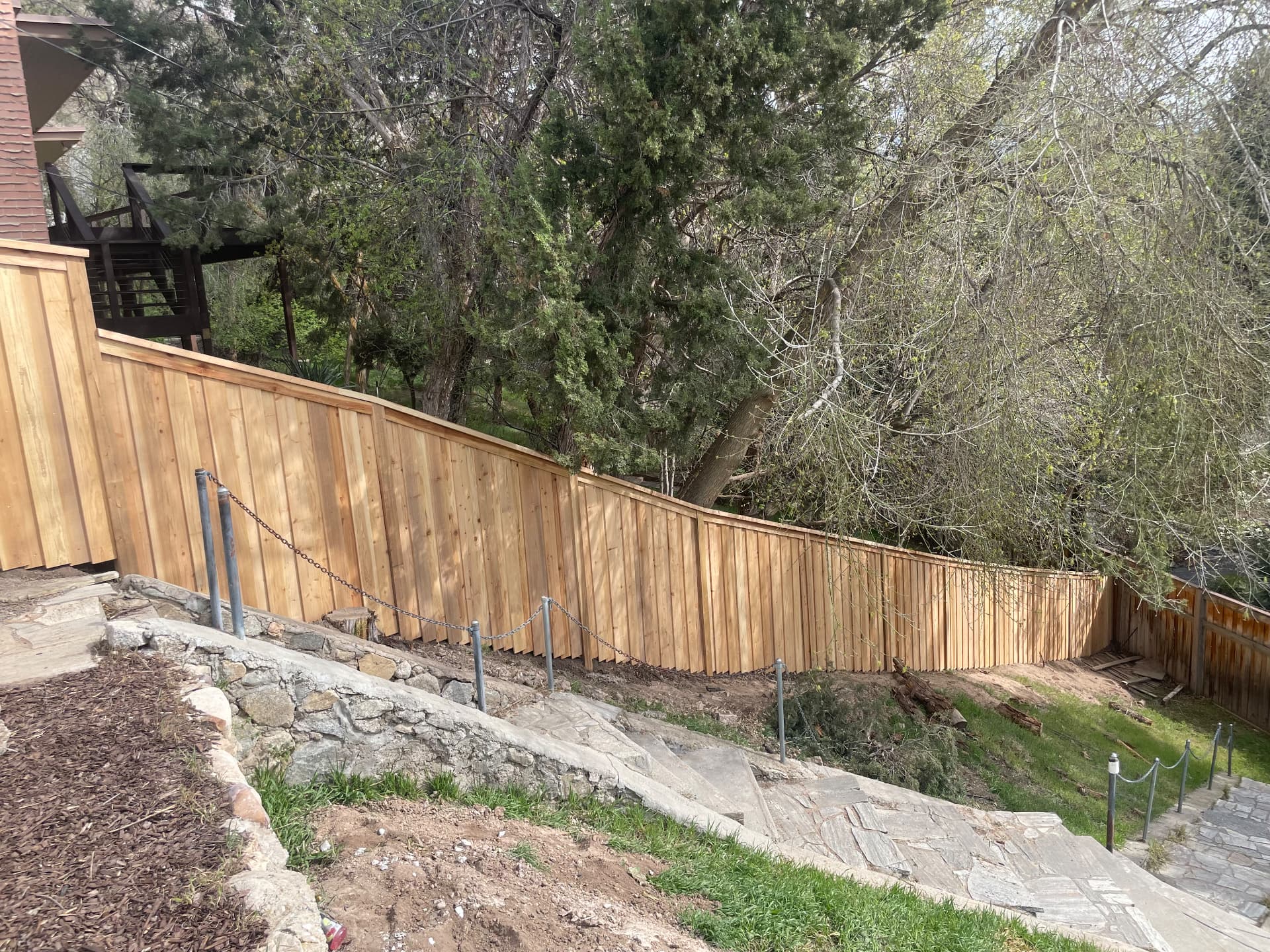
A wood fence is built on site rather than assembled from panels, which is exactly why people pick it. Heights, picket spacing, cap-and-trim details, and stepped runs can all follow your grade and your house instead of a catalog.
Cedar is the workhorse here: it resists rot and insects naturally and takes stain well. Where budget matters, treated pine gets you the same look for less. Either way we recommend steel or treated posts, because posts are what fail first in Utah soil.
Cedar, Treated Pine, and Composite
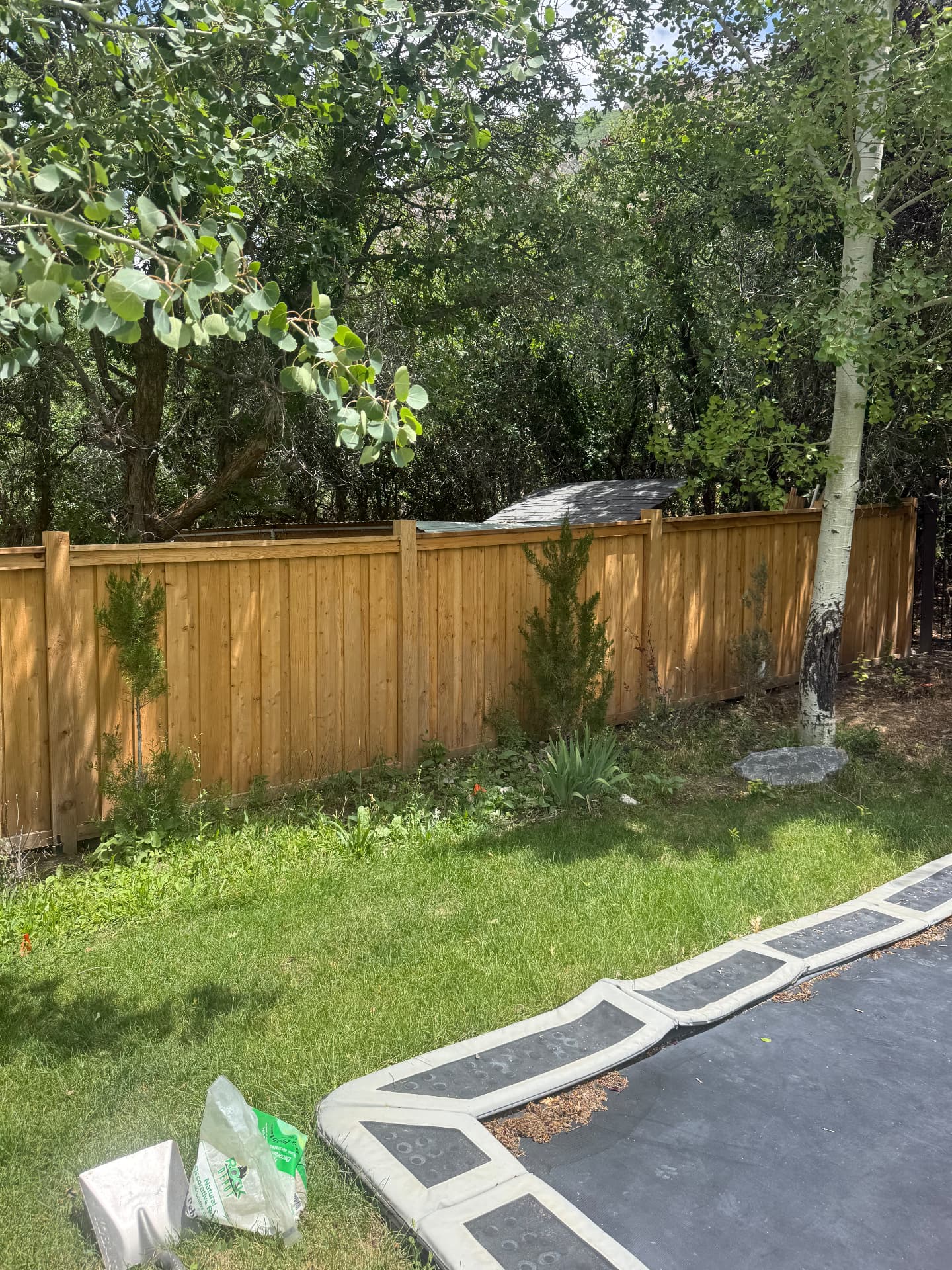
Western red cedar is the default here. It has natural oils that resist rot and insects, it stays dimensionally stable through Utah's dry summers, and it takes stain evenly. Left alone it weathers to a soft silver-gray; sealed, it holds a warm red-brown.
Pressure-treated pine costs less and lasts well when it is kept off the ground, but it moves more as it dries, so an occasional cupped or twisted board is normal. It is a good fit for back property lines, dog runs, and budgets that need to stretch.
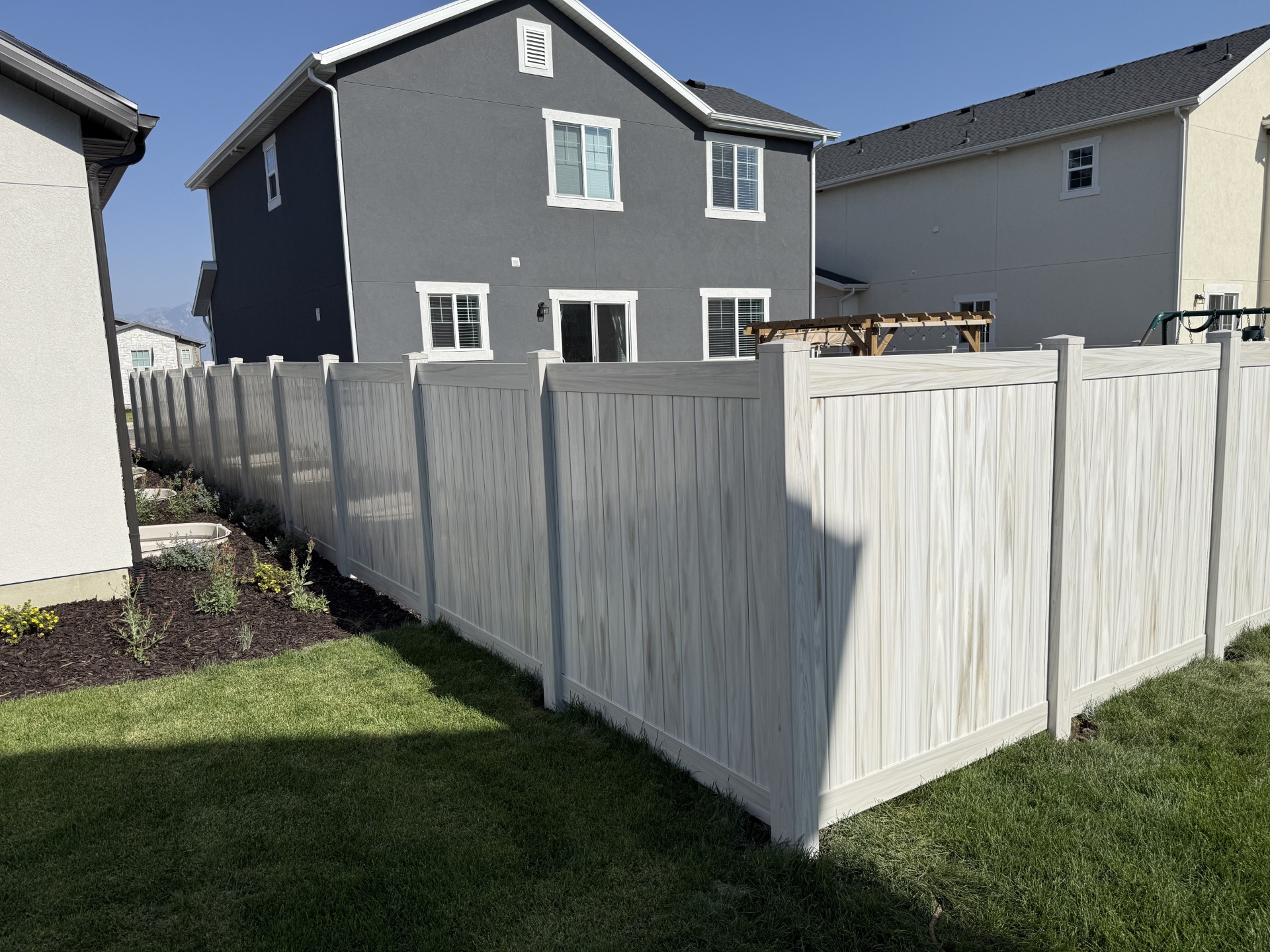
Composite and woodgrain-look panels sit at the top of the price range and are worth it for people who want the wood aesthetic with vinyl-level upkeep. We also build hybrid runs — aluminum posts and frame with wood or composite infill — which is a common look on newer Davis County homes.
Board-on-Board, Horizontal, and Ranch Rail
Standard privacy sets pickets edge to edge on one side of the rails. It is the most economical layout, and as boards shrink over the first season you will see thin gaps appear — normal, and the reason board-on-board exists.
Board-on-board overlaps every picket so no gap ever opens up, and it looks finished from both sides. It uses roughly 30 percent more material, which is exactly where the price difference comes from.
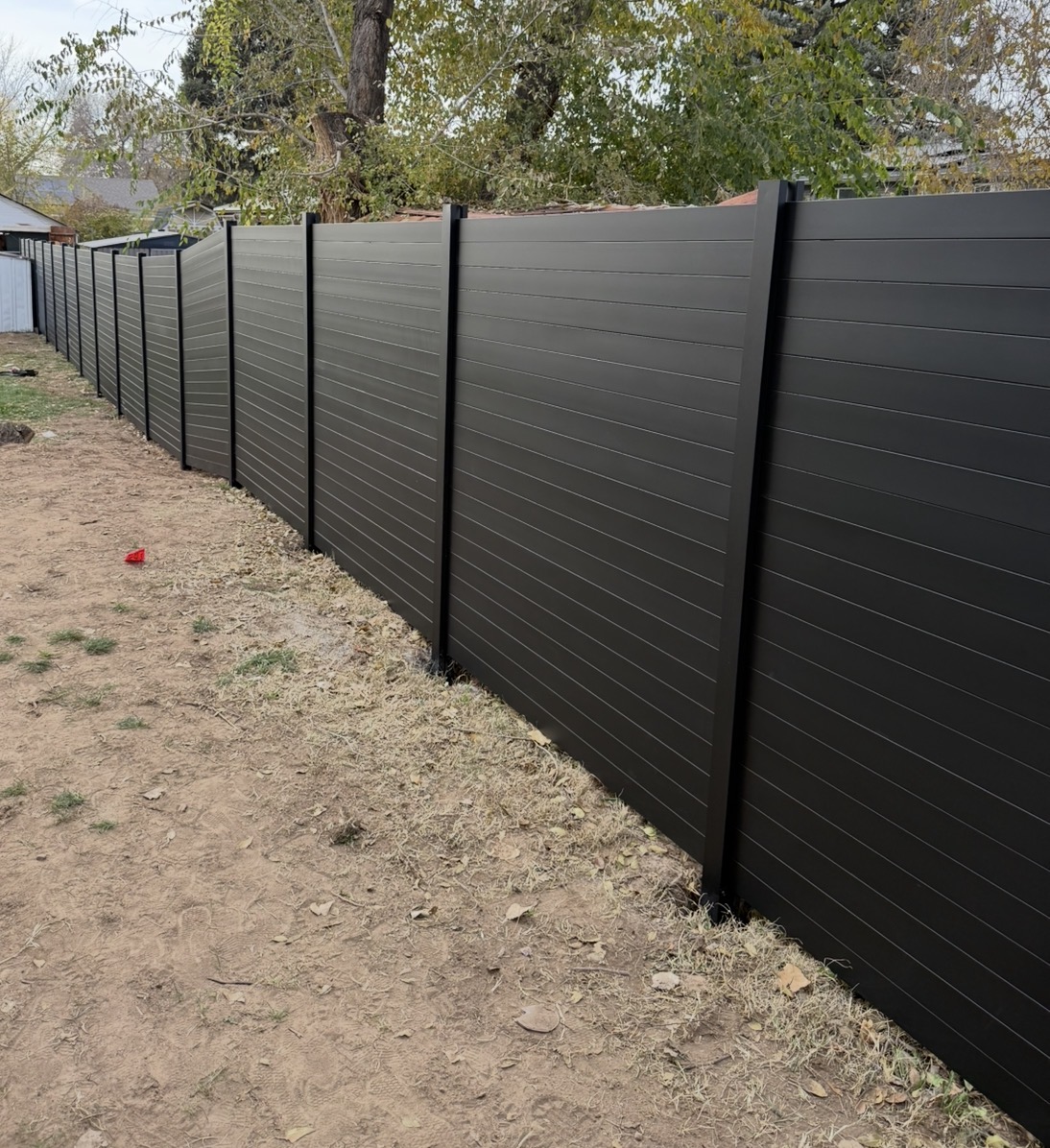
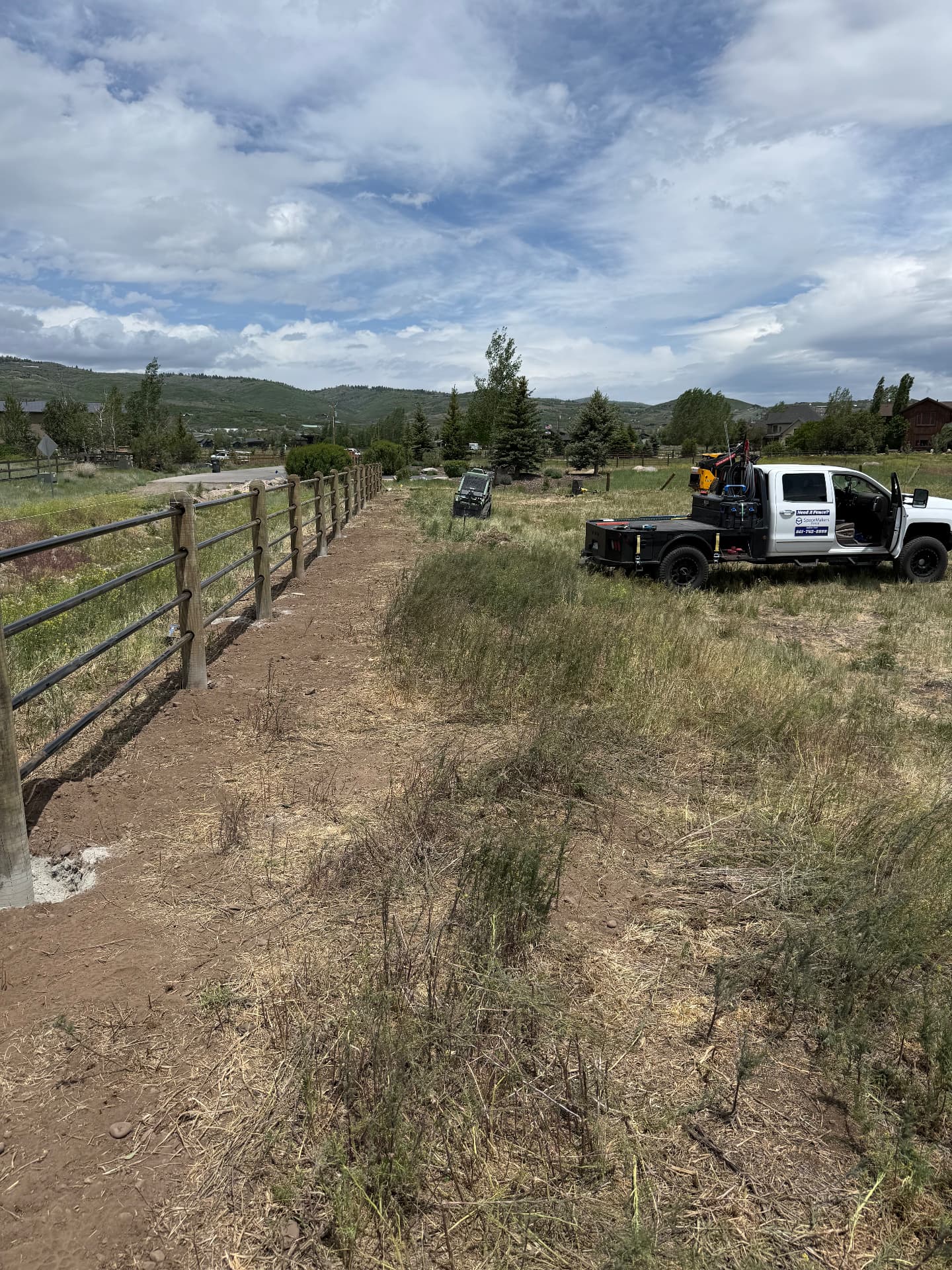
Horizontal slat reads modern and pairs well with stucco and dark trim, but it demands straight, dry lumber and posts spaced tighter to prevent sag. Ranch rail, two- or three-rail, is the right call for acreage and horse property where containment matters more than privacy.
Why Posts Decide How Long the Fence Lasts
Nearly every wood fence that fails in Utah fails at the post, right at the soil line, where moisture and oxygen meet. That is why we recommend galvanized steel posts or heavy treated posts set in concrete below frost depth rather than the lightest post that will hold a panel up.
Steel posts add cost per hole and roughly double the structural service life of the fence. When the pickets eventually age out in 15 to 20 years, you re-board an existing frame instead of rebuilding the whole thing.
Staining, Sealing, and Realistic Upkeep
New cedar should dry roughly 30 to 60 days before it takes stain, otherwise the finish will not penetrate. After that, a quality semi-transparent stain every three to five years is what keeps the color and slows checking.
If you would rather do nothing, that is a legitimate choice — untreated cedar weathers gray and stays structurally sound for years. Just keep sprinklers off the boards and keep the bottom of the fence clear of soil and mulch, which is what actually accelerates rot.
What's Included
- Cedar privacy, board-on-board, and horizontal slat
- Stepped runs built for benchland grades
- Steel or treated posts for a longer service life
- Stain now or let it weather naturally
How the Install Works
- 1
Grade and style walkthrough
We map how the fence steps or racks with your slope so the top line looks intentional.
- 2
Structure first
Posts and rails are set and squared before a single picket goes on.
- 3
Pickets, caps, and trim
Boards are spaced consistently, then capped and trimmed for a finished top edge.
Prefer to talk? Call (801) 742-8888